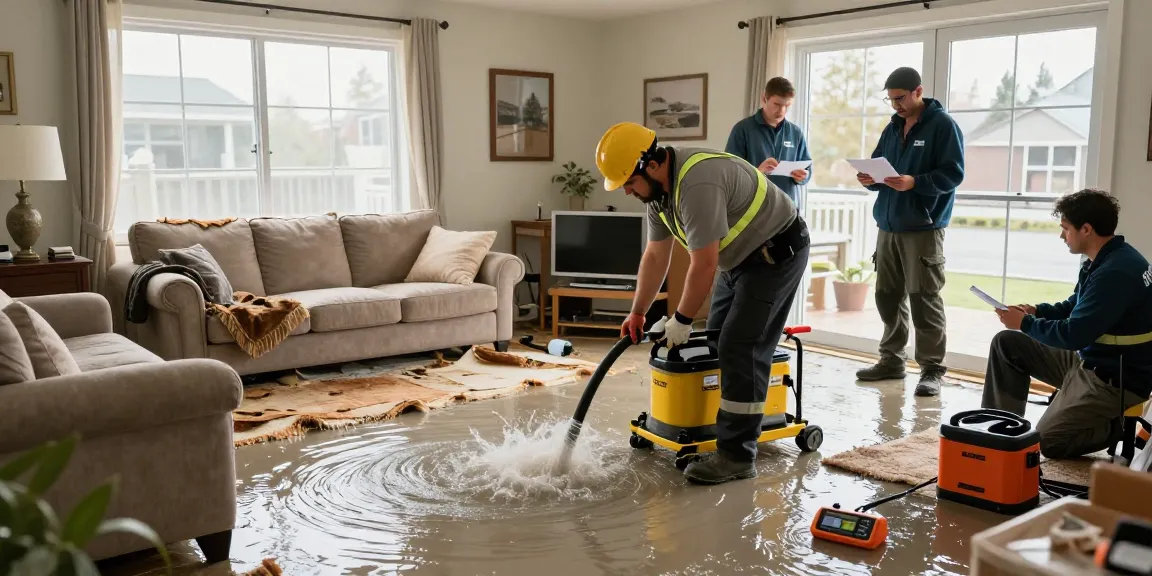
Understanding Water Damage: Types and Causes
Water damage is a significant concern for homeowners and property managers alike, especially in regions like West Vancouver, where weather conditions can be unpredictable. Whether caused by heavy rainfall, plumbing failures, or leaks from appliances, water damage can lead to severe structural issues and health risks. Understanding the types and causes of water damage is crucial for effective prevention and restoration. When exploring options, Water Damage Restoration West Vancouver provides comprehensive insights into effective solutions for mitigating these risks.
What Are Common Types of Water Damage?
Water damage can manifest in several forms, each requiring a specific response:
- Flooding: Typically caused by heavy rainfall, storm surges, or melting snow, flooding can lead to extensive damage, particularly in basements and lower levels of homes.
- Pipe Burst: Sudden ruptures in pipes can release massive amounts of water very quickly, leading to severe damage and requiring immediate attention to prevent further deterioration.
- Appliance Leaks: Dishwashers, washing machines, and refrigerators can develop leaks over time, often going unnoticed until significant damage occurs.
- Sewage Backup: This type of damage is not only costly but also hazardous, as it can introduce harmful bacteria and pathogens into living spaces.
Identifying the Causes of Water Damage in West Vancouver
Several factors contribute to water damage, particularly in West Vancouver, where heavy rains and coastal humidity are prevalent. Understanding these causes can help you identify potential risks:
- Heavy Rainfall: Vancouver’s rainy seasons can overwhelm drainage systems, leading to water intrusion in homes.
- Aging Infrastructure: Older homes may have outdated plumbing that is more prone to leaks and bursts.
- Improper Drainage: Poor landscaping or clogged gutters can exacerbate water pooling around foundations, increasing the risk of basement flooding.
How Weather Conditions Impact Water Damage Risks
The unique climate of West Vancouver plays a significant role in water damage occurrences. High humidity levels combined with heavy rainfall create an environment conducive to moisture accumulation, which can lead to mold growth and structural damage if not addressed promptly. Recognizing the weather patterns can help homeowners anticipate and mitigate risks effectively.
Recognizing Early Signs of Water Damage
Being proactive in identifying water damage is crucial for minimizing repair costs and preventing health risks. Early detection can save thousands in restoration efforts and ensure the integrity of your property.
What to Look for in Your Home?
Homeowners should be vigilant for numerous signs of potential water damage:
- Discoloration on Walls and Ceilings: Yellowish or brown stains are often the first indicators of leaks.
- Peeling Paint: Warping or bubbling paint can signal moisture trapped beneath surfaces.
- Musty Odors: Musty smells can indicate mold growth, which is often the result of undetected leaks.
Common Warning Signs to Watch Out For
In addition to visible signs, listen for subtle changes in your home. For example, if your floors feel warmer or cooler in certain spots, it may indicate hidden moisture beneath. Regular inspections can help catch these issues before they escalate.
Why Timeliness Matters in Water Damage Restoration
When water damage occurs, every minute counts. The longer water remains in contact with materials, the greater the risk of extensive damage and mold growth. Timely intervention by professionals can significantly reduce restoration costs and health hazards.
24/7 Emergency Water Damage Services
Water emergencies can happen at any time, which is why having access to effective emergency services is vital for residents of West Vancouver. Immediate action can prevent further damage and protect your property.
How Fast Should You Act When Water Damage Happens?
In the event of water damage, you should act swiftly. Experts recommend contacting a professional restoration service within the first hour after detection to minimize risks. This timing is critical as it maximizes the chances of salvaging your property.
The Importance of Professional Help in Emergencies
Attempting to resolve water damage on your own can lead to further complications, including mold growth or structural damage. Professional restoration services bring expertise and the right equipment to handle the situation safely and effectively.
What Services Are Included in Emergency Response?
Emergency response typically includes water extraction, drying and dehumidification, cleaning and sanitizing affected items, and repairs to restore your property. A structured approach ensures that all aspects of the damage are addressed correctly.
The Water Damage Restoration Process Explained
Understanding the restoration process can help demystify what happens after water damage occurs and underline the importance of professional intervention.
Step-by-Step Overview of Restoration Services
Water damage restoration generally unfolds in several stages:
- Assessment: Technicians will conduct a comprehensive inspection to evaluate the extent of the damage.
- Water Extraction: Powerful pumps and vacuums are used to remove standing water quickly.
- Drying: High-capacity dehumidifiers and air movers are employed to eliminate residual moisture from the environment.
- Restoration: Any necessary repairs, such as drywall replacement or flooring repairs, are completed to return the property to its pre-damaged condition.
Equipping Professionals: Tools and Techniques Used
Professionals utilize numerous specialized tools for effective restoration, including:
- Thermal Imaging Cameras: These are used to detect hidden moisture within walls and floors.
- Air Movers: These help expedite the drying process by circulating air.
- Industrial Dehumidifiers: Essential for removing excessive moisture from the air and preventing mold growth.
How to Ensure Quality Control During Restoration
Effective restoration requires monitoring to ensure quality control. Professionals should regularly check moisture levels during the drying process to ensure all areas are adequately addressed.
Navigating Insurance Claims for Water Damage
Understanding how to navigate insurance claims can significantly affect the financial outcome following water damage. Many homeowners feel overwhelmed during this process; however, being informed can streamline claiming benefits.
What Documentation Do You Need for Claims?
When filing a claim, you should prepare documentation that includes photographs of the damage, detailed descriptions, and any repair estimates. This information will help your insurer assess the damage and process your claim efficiently.
Understanding Your Coverage and Deductibles
Each insurance policy varies in coverage and deductibles. Review your policy to understand what is covered and what your out-of-pocket costs will be.
Tips for Smooth Communication with Insurers
Be upfront and clear with your insurance adjuster. Providing thorough documentation and communicating any urgent needs can facilitate a smoother claims process.
What Should You Do After Experiencing Water Damage?
After water damage occurs, prioritize safety by shutting off electricity in affected areas and avoiding contact with contaminated water. Document the damage and contact restoration services immediately.
How to Prevent Future Water Damage?
Regular maintenance is key to preventing water damage. This includes inspecting your plumbing, cleaning gutters, and ensuring adequate drainage around your property. Consider installing sump pumps in basements or high-risk areas to manage potential water intrusion.
Are DIY Repairs Worth It?
While some minor repairs can be handled by homeowners, significant water damage often requires professional intervention. DIY methods may seem cost-effective initially but can lead to larger problems and expenses if not executed correctly.
