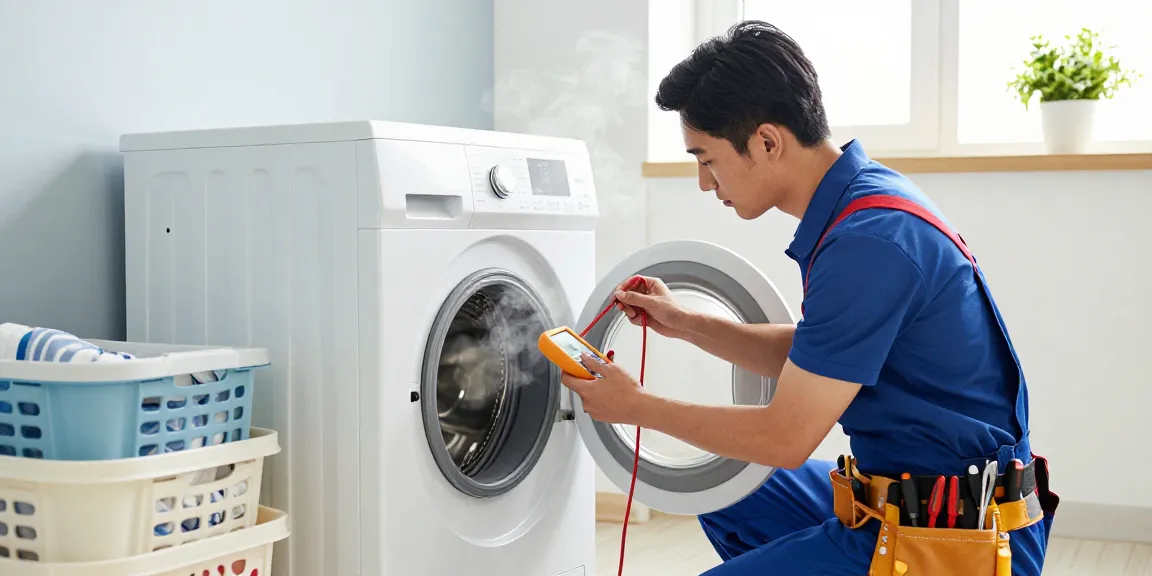
Understanding the Role of an Appliance Technician
The appliance technician is a vital player in ensuring that our everyday household machines function efficiently and effectively. From refrigerators to washing machines, these professionals are equipped with the skills necessary to diagnose, repair, and maintain various appliances. In the fast-paced world of 2026, the role of an appliance technician is evolving, influenced by advancements in technology and an increased emphasis on energy efficiency and smart home devices. Whether you're interested in pursuing a career in this field or simply want to understand the essential skills required, this article will provide comprehensive insights into the profession of appliance technicians.
What Does an Appliance Technician Do?
An appliance technician specializes in installing, maintaining, and repairing home appliances. These professionals work with a broad range of equipment, including refrigerators, dishwashers, dryers, and ovens. Their extensive knowledge enables them to troubleshoot issues effectively, ensuring that appliances operate optimally.
Key Responsibilities and Daily Tasks
- Diagnosis: Identifying problems through systematic evaluation of appliance performance.
- Repair: Performing necessary repairs, which may involve replacing defective parts or recalibrating systems.
- Maintenance: Conducting regular maintenance to prevent future issues, such as cleaning components and checking for wear and tear.
- Installation: Installing new appliances and ensuring they are set up according to specific manufacturer guidelines.
- Customer Service: Providing excellent service by communicating clearly with customers about issues, repairs, and maintenance tips.
Necessary Technical Skills and Knowledge
To succeed as an appliance technician, individuals must possess a blend of technical skills and knowledge. These include:
- Electronics Knowledge: Understanding electrical systems and how they interact with various appliances.
- Mechanical Aptitude: Ability to work with complex mechanical systems and components.
- Troubleshooting Skills: Capability to diagnose problems methodically.
- Safety Awareness: Familiarity with safety standards and procedures to protect oneself and customers.
- Customer Interaction: Strong communication skills to convey technical information to non-technicians.
Essential Tools and Equipment for Appliance Technicians
Armed with the right tools, appliance technicians can perform their jobs with precision and efficiency. Properly organizing these tools is also crucial for productivity. When dealing with appliance repairs, a proficient appliance technician should have both basic and advanced tools at their disposal.
Basic Tools Every Technician Should Have
- Screwdrivers: Both flat-head and Phillips screwdrivers of various sizes for opening appliance panels.
- Wrenches: Adjustable wrenches and socket sets for loosening or tightening bolts.
- Multimeter: A vital tool for measuring voltage, current, and resistance.
- Flashlight: Essential for seeing inside dark appliance compartments.
- Plumbing Tools: Basic plumbing tools for repairing dishwashers and refrigerators linked to water supply.
Advanced Equipment for Specialized Repairs
- Diagnostic Software: Software tools that help identify appliance issues by connecting to smart appliances.
- Refrigerant Recovery Machines: Necessary for safely handling refrigerants during repairs.
- Thermal Imaging Cameras: Used to detect heat loss or electrical issues inside appliances.
- Precision Measuring Instruments: Tools for precise measurements when adjusting appliance settings.
Maintaining and Organizing Your Toolbox
Keeping tools organized is essential for an appliance technician’s efficiency. A well-maintained toolbox not only saves time but also helps in ensuring all tools are in good working condition. Here are some tips:
- Regular Cleaning: Clean tools after each job to prevent rust and damage.
- Labeling: Use labels to identify different compartments for easier access.
- Inventory Checks: Regularly check inventory to replace worn-out tools.
- Secure Storage: Invest in a high-quality toolbox that keeps tools secure during transportation.
Common Appliance Issues and Troubleshooting Techniques
Appliance breakdowns can be frustrating for homeowners. Understanding common issues can provide appliance technicians with the insight needed to troubleshoot effectively. Here we explore prevalent appliance problems and offer troubleshooting strategies.
Diagnosing Top Refrigerator Problems
Refrigerators are vital to food preservation, and issues can arise unexpectedly. Common problems include:
- Temperature Irregularities: Check thermostat settings and the door seal for any leaks.
- Water Leakage: Inspect the defrost drain for clogs and the water filter for blockages.
- Noisy Operation: Look for objects causing vibrations or check the condenser fan for malfunctions.
Identifying Common Washing Machine Faults
Washing machines face frequent issues due to their complex systems. Technicians should be prepared to handle:
- Failure to Spin: Inspect the belt, motor couplings, or lid switch for faults.
- Water Not Draining: Check for clogs in the drain hose and pump.
- Excessive Vibration: Ensure the machine is level and that the load is balanced.
Tips for Efficient Troubleshooting
Efficient troubleshooting saves time and improves service quality. Here are a few strategies:
- Follow Standard Protocols: Adhere to a systematic approach to diagnostics to avoid overlooking issues.
- Utilize Diagnostic Tools: Leverage technology and software tools designed to aid in troubleshooting.
- Document Findings: Keep detailed records of problems and solutions for future reference.
Certifications and Training for Appliance Technicians
Becoming a certified appliance technician is crucial for career advancement and credibility in the field. Many employers prefer certified professionals who have undergone specialized training.
Importance of Certification in the Field
Certifications demonstrate a technician's expertise and dedication to the profession. They also reassure customers of quality service. Certifications recognized in the industry include those from:
- National Appliance Service Technician Certification (NASTeC)
- Electrolux Appliance Certification
- Whirlpool Certified Technician Program
Recommended Training Programs and Courses
Numerous training programs are available, catering to different levels of experience. Look for programs that cover:
- Basic Electrical and Mechanical Principles
- Appliance Repair Techniques
- Safety Standards and Protocols
Continuing Education and Skill Development
The appliance repair industry is continually evolving due to technological advancements. Technicians should engage in continuing education through:
- Workshops: Participate in hands-on workshops to master new technologies and techniques.
- Online Courses: Utilize online platforms for flexible learning opportunities.
- Industry Conferences: Attend conferences for networking and to learn the latest in appliance technology.
Future Trends for Appliance Technicians in 2026
As we look toward 2026, several trends will shape the appliance repair industry. Appliance technicians must stay informed to remain competitive and relevant in the market.
Emerging Technologies in Appliance Repair
Advancements in technology are changing how appliances are made and repaired. Key areas of focus include:
- Smart Appliances: Increased integration with IoT devices requires technicians to have skills in smart technology.
- Remote Diagnostics: Many modern appliances can diagnose their issues, providing technicians with error codes for rapid repairs.
- Energy Efficiency: A greater focus on energy-efficient appliances will require ongoing training in new technologies.
Impact of Smart Home Devices on the Industry
The rise of smart home technology means that appliance technicians must adapt to understand these devices’ unique systems. Skills will need to extend beyond mechanical knowledge to include:
- Networking Skills: Understanding of home networking and connectivity issues.
- Software Knowledge: Familiarity with software updates and digital troubleshooting.
Preparing for the Future: Skills to Focus On
To thrive in the evolving landscape of appliance repair, technicians should focus on:
- Continual Learning: Emphasizing ongoing education and staying updated on new technologies.
- Customer Service Skills: Enhancing interpersonal communication to better interact with clients.
- Problem-Solving Skills: Developing critical thinking to address unique and complex appliance issues.
What is the Salary Range for Appliance Technicians?
The salary for appliance technicians can vary significantly depending on location, experience, and specialization. On average, appliance technicians in Canada can expect to earn between $40,000 and $70,000 per year. Factors influencing salary include:
- Experience Level: Entry-level technicians typically earn less than those with several years of experience.
- Specializations: Technicians specializing in high-end or smart appliances tend to command higher salaries.
- Geographical Location: Salaries may differ based on the cost of living in a specific area.
How to Stand Out in a Competitive Job Market?
As the demand for skilled appliance technicians increases, standing out in a competitive market is paramount. Techniques for differentiation include:
- Gaining Advanced Certifications: Additional qualifications can enhance credibility and job prospects.
- Building a Strong Online Presence: Utilize platforms like LinkedIn to showcase skills and connect with potential employers.
- Networking: Engage with others in the industry to discover job opportunities and gain insights.
What Certifications Are Most Valuable?
Generally, certifications from recognized organizations enhance job prospects for appliance technicians. For more information, dishwasher repair Newmarket offers valuable insights. Those that are highly regarded include:
- Certified Appliance Professional (CAP)
- EPA Certification for Refrigerant Handling
- Manufacturer-Specific Certifications: Programs offered by appliance manufacturers can also add significant value.